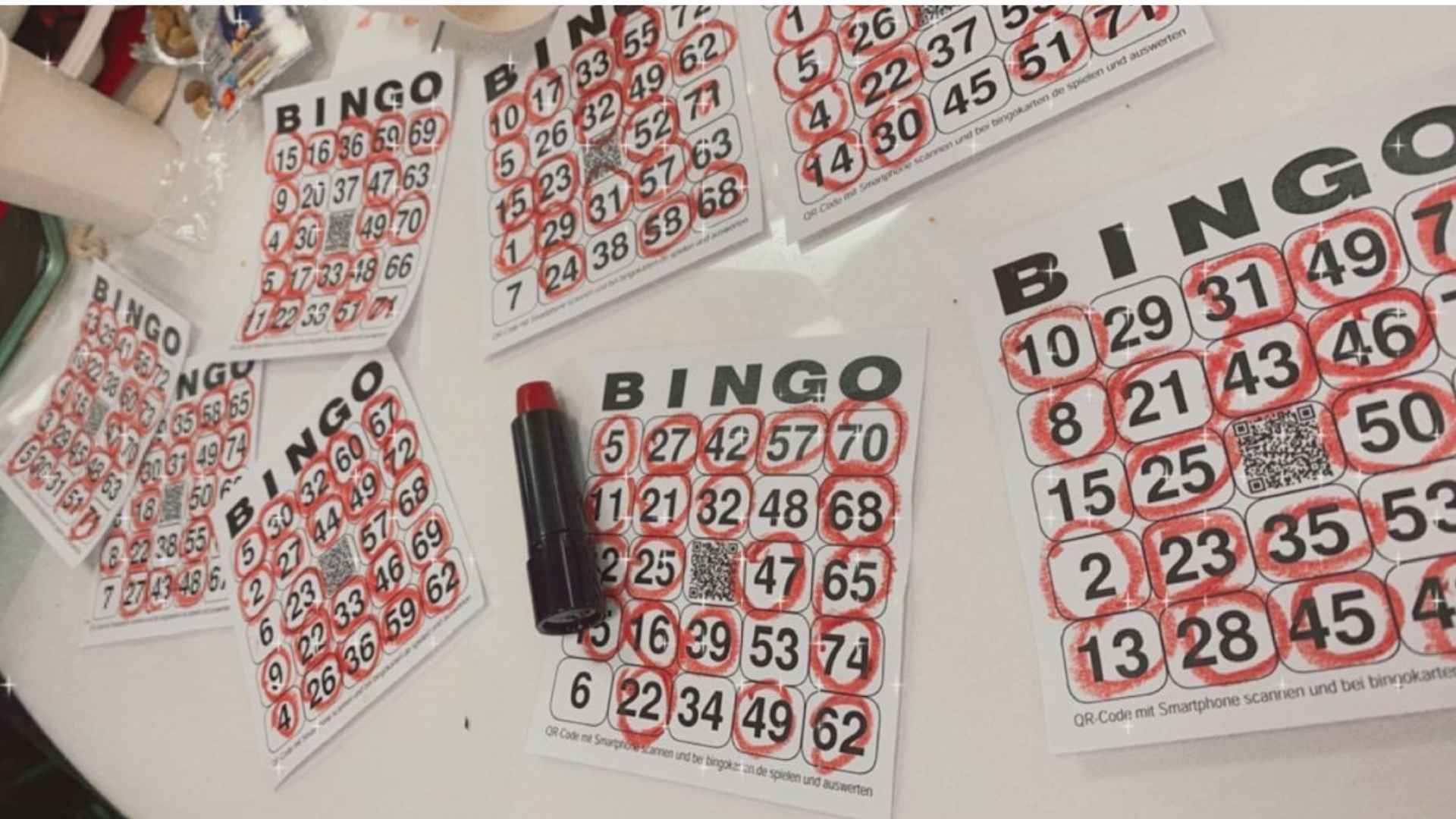
Games that incorporate elements of chance do far more than provide simple entertainment; they serve as powerful platforms for intellectual growth. By forcing participants to evaluate risk and calculate potential outcomes, these activities transform abstract mathematical theories into practical cognitive exercises. Engaging with these structural challenges helps individuals cultivate a highly disciplined approach to real-world decision-making.
The Intersection of Chance and Reasoning
Many players initially view games governed by random distribution as purely luck-based endeavors. However, seasoned strategic thinkers recognize that randomness operates within highly predictable mathematical boundaries. Learning to navigate these variables encourages deep analytical investigations and systematically sharpens structural problem-solving capabilities.
When players actively track frequencies and anticipate potential shifts, they shift from passive entertainment to active experimentation. This cognitive transformation allows individuals to see order hidden beneath superficial disruptions. Ultimately, mastering these basic mathematical systems builds immense cognitive flexibility over extended periods of time.
Developing Risk Assessment Skills
Every choice made within an uncertain gaming environment carries a distinct level of calculated risk. Participants must continuously weigh the potential rewards against the mathematical likelihood of experiencing an unfavorable outcome. This ongoing process directly mirrors high-stakes corporate management strategies and daily financial planning scenarios.
Through repetitive interactive play, individuals build a healthier relationship with unexpected variations and structural uncertainty. When looking to explore these statistical concepts in modern digital environments, finding a secure platform like Mansion88 can offer an accessible space to study how complex algorithms simulate real-world randomness. Developing this objective analytical lens protects players from falling victim to emotional biases during competitive situations.
Debunking Common Analytical Myths
One of the greatest benefits of probability-based activities is their ability to expose deeply rooted cognitive errors. Beginners frequently fall prey to the gambler's fallacy, incorrectly assuming that past random events influence future standalone results. Engaging with structured data analysis challenges helps eliminate these intuitive misconceptions through direct visual feedback.
By cultivating logical deduction over emotional speculation, participants learn to trust objective calculations rather than temporary intuitive feelings. This scientific shift helps individuals make data-driven choices when confronted with incomplete information. Replacing superstitious biases with solid statistical methods remains an essential milestone in mental development.
Practical Exercises for Cognitive Agility
Improving your statistical capabilities does not require analyzing complex textbook equations for hours. Aspiring strategic thinkers can easily start by tracking frequency distributions in simple tabletop dice games. Focus on documenting how closely actual long-term results align with initial theoretical predictions.
Maintaining a detailed log of your tactical performance helps highlight recurring strategic errors and behavioral patterns. Over time, this disciplined observation builds a highly intuitive grasp of statistical variations and competitive dynamics. With consistent personal practice, the complex world of mathematical uncertainty becomes an engaging tool for logical exploration.